I spent three straight years falling asleep to Seth Meyers monologues at 2 AM, and my doctor finally explained what it was doing to my body
🚨 If your only personal time happens after midnight, read this.
I convinced myself for thirty-six months that binge-watching political desk comedy in the pitch black was just 'harmless unwinding.' It turns out, stealing sleep to reclaim your stolen daylight carries an invisible interest rate that almost wrecked my nervous system.
Picture this routine: 11:30 PM rolls around. My work laptop closes after a grinding nine-hour shift at a tech consultancy where every manager communicates purely through urgent Slack pings. I brush my teeth, crawl under the duvet, and swear on everything holy that tonight is the night I get eight solid hours of restorative rest.
Then, my thumb autonomously reaches for my phone on the nightstand.
I unlock YouTube. In the recommended feed, there it is: a fresh 18-minute segment of Late Night with Seth Meyers—specifically 'A Closer Look.' I tell myself, 'Just one video. I need a laugh. Seth's sarcastic delivery about the day's insanity takes the edge off. Just twenty minutes, and I'll knock right out.'
Twenty minutes becomes forty. Forty minutes becomes an hour and a half of background monologue commentary, guest interviews, and auto-playing clips. Before I know it, the digital clock reads 2:14 AM. My eyes sting, my forehead feels like it is wrapped in an elastic band, and the alarm is set for 7:00 AM.
I ran this exact loop five nights a week from 2021 through late last year. And I genuinely believed it was my only emotional lifeline.
The Psychology of 'Revenge Bedtime Procrastination'
When you spend all day doing things you don't want to do, answering to people whose emails spike your adrenaline, your subconscious revolts. Psychologists call this revenge bedtime procrastination: deliberately delaying sleep in response to a lack of free time earlier in the day.
Seth Meyers, John Oliver, late-night panel shows—they became my emotional contraband. The humor felt comforting because it transformed real-world chaos into predictable punchlines. For an hour in bed, nobody could demand a spreadsheet. Nobody could ask me to jump on a quick huddle. I was the master of my own universe, basking in the cool blue light of a five-inch OLED screen.
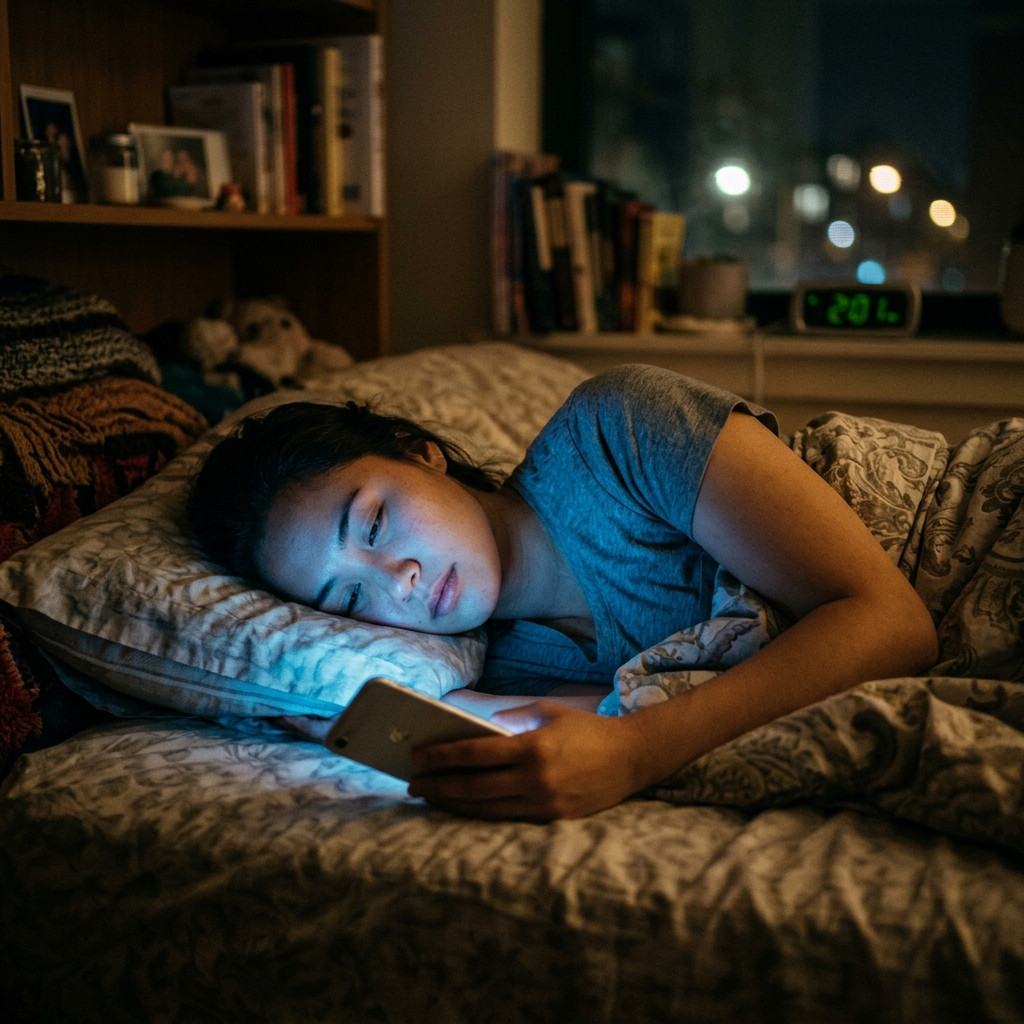
Except my biology didn't give a damn about my rebellion. By year two, the wheels started coming off in ways I didn't connect to my midnight viewing habits:
- Chronic Brain Fog: Around 2:00 PM every workday, my working memory completely dissolved. I couldn't retain a sentence from an email I had read thirty seconds prior.
- Unexplained Gastrointestinal Flare-ups: Chronic, quiet sleep debt suppresses your gut motility and cranks systemic inflammation to eleven.
- Emotional Volatility: I wasn't just tired; I was irritable. A minor passive-aggressive remark from a coworker would ruin my entire afternoon.
- Elevated Fasting Glucose: At my annual check-up, my A1C had crept into the pre-diabetic borderline zone despite no major dietary changes.
The Doctor Visit That Slapped Me Awake
I finally scheduled an appointment with my primary care physician because I thought I had an undiagnosed autoimmune issue or a thyroid crash. I was dragging concrete through every single day.
She sat me down, reviewed my blood panel, and started asking basic behavioral questions. When she asked what time I shut my eyes, I sheepishly confessed: 'Well, I get in bed at 11:30, but I usually watch YouTube comedy clips until about 2:00 or 2:30 AM.'
She put down her pen and looked at me over her glasses. 'You don't have a mystery disease,' she said point-blank. 'You're running your adrenals on fumes, spiking cortisol right before REM cycles, and tricking your brain into thinking high-stimulus dialogue is a lullaby. You are emotionally exhausted, not physically insomnia-stricken.'
She explained the double-whammy: it wasn't merely the blue light delaying melatonin production by 90 minutes. It was the cognitive processing. Late-night comedy is fast-paced, dense with cultural references, news banter, and rapid-fire rhythm. While you feel relaxed because you're laughing, your prefrontal cortex is working overtime to decode jokes, sarcasm, and pacing. Your heart rate never drops into the parasympathetic baseline needed to enter deep stage-3 sleep.
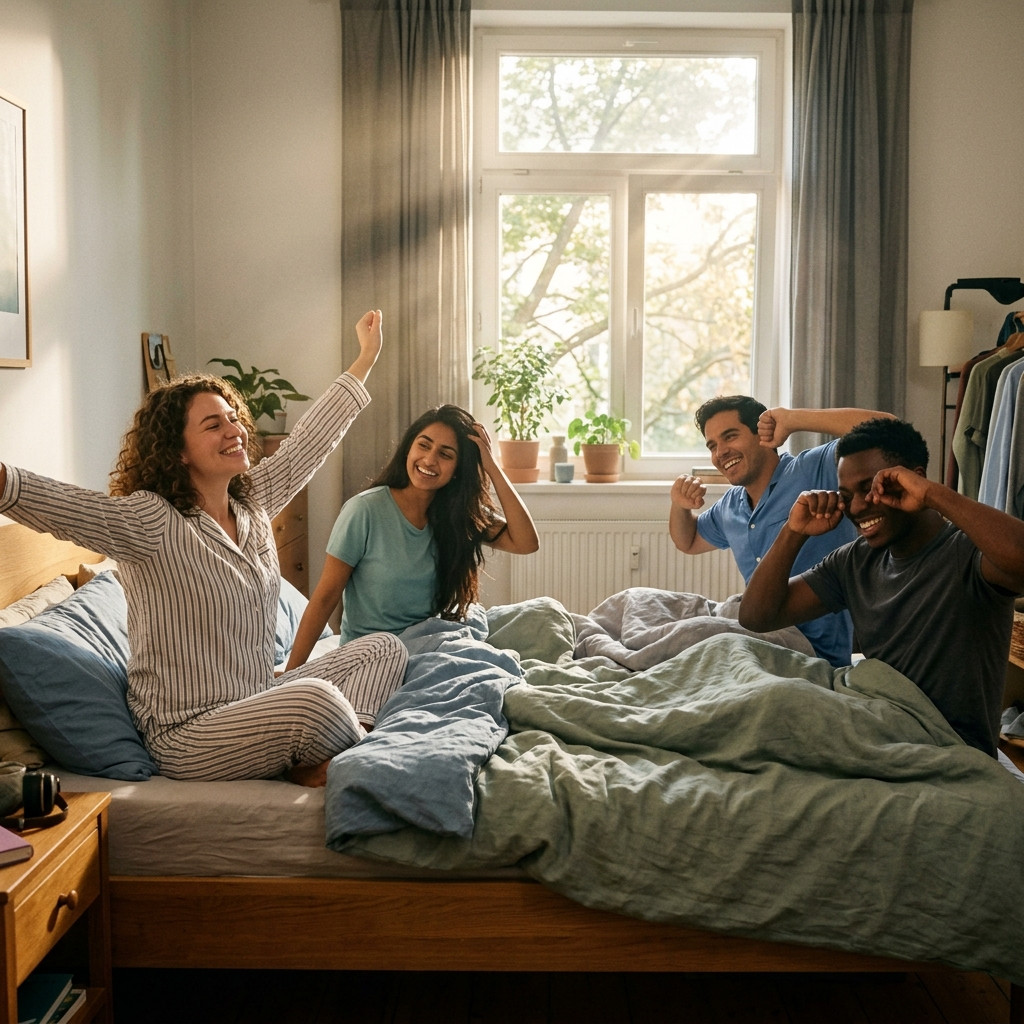
How I Broke the Midnight Media Loop (Without Turning Into a Monk)
I knew right away that generic productivity hacks—like 'just put your phone across the room' or 'read War and Peace'—would fail. When you are depleted after an exhausting day, willpower is precisely zero. I had to engineer a system that met my emotional need for escape without sabotaging my REM sleep.
1. The 'Desk-to-Couch' Comedy Shift
I stopped banning late-night comedy and instead banned the bedroom. If I wanted to watch Seth Meyers tear through the news cycle, I had to do it on the living room television at 8:30 PM while eating dinner or folding laundry. By the time 11:00 PM arrived, the novelty was gone, and the content fix was already satisfied.
2. The Boring Audio Alternative
The hardest withdrawal symptom was silence. When the video stopped, my internal anxiety monologue started. To counter this, I switched from visual, punchy comedy to monotone, low-stakes narrative audio: historical archive podcasts, ambient maritime rain sounds, or sleep stories where the speaker sounds like a tranquilized librarian. No visuals, no punchlines, zero pacing.
3. Reclaiming Daytime Autonomy
The root problem wasn't YouTube; it was that my daytime schedule made me feel like an indentured servant. I began aggressively blocking out a 45-minute untouchable walk at 1:00 PM every day. No podcasts, no phone calls. Reclaiming daytime control stopped my brain from demanding nighttime retribution.
The Aftermath Three Months Later
Within three weeks of killing the midnight screen habit, my morning resting heart rate dropped from 72 bpm to 58 bpm. The stubborn midsection bloat evaporated. More importantly, my patience came back.
I still love Seth Meyers. The guy is brilliant at making sense of our surreal political climate. But he no longer tucks me into bed at 2:15 AM while my eyes burn and my nervous system screams for mercy. If your only sliver of freedom lives in a glowing rectangle past midnight, take a hard look at the bill you're quietly paying for it.
TL;DR Protocol to Escape Late-Night Binge Fatigue
- Identify the Cause: It's Revenge Bedtime Procrastination, not insomnia. You crave autonomy, not entertainment.
- Separate Beds from Screens: Watch fast-paced comedy hours earlier on a living room TV, never lying down in pitch darkness.
- Audio Over Visuals: Replace high-cadence monologues with flat-cadence ambient audio if silence triggers racing thoughts.
- Protect Daylight: Carve out 30 minutes of personal freedom during actual daylight hours so your subconscious stops demanding late-night payback.
Tags: #sleephygiene #revengebedtimeprocrastination #mentalhealth #burnoutrecovery #nightroutine #screenaddiction #wellnesshabits #cortisolmanagement #healthysleep #productivitytips


Comments
Post a Comment