Are you experiencing heartburn or tooth sensitivity from the Apple Cider Vinegar (ACV) you drink daily for health and weight loss?
Recently, ACV has gained sensational popularity as a "cheat key" for blood sugar control and weight loss. However, drinking it blindly just because it's good for you can come at a devastating cost—burning your stomach lining and eroding your tooth enamel. Today, we reveal the clear scientific reasons behind this and provide practical, hard-hitting solutions.
The Scientific Reason Why Drinking ACV Blindly Can Turn Into Poison
Apple cider vinegar is made by crushing apples and naturally fermenting them with yeast and bacteria. The key component produced during this process, "acetic acid," plays an excellent role in preventing blood sugar spikes and maintaining satiety. However, there is a critical fact we must not overlook: ACV's strong acidity.
Undiluted ACV typically has a pH between 2.5 and 3.0. This is a strong acid comparable to the powerful gastric acid (pH 1.5–2.0) found in our stomachs. While our stomachs have a thick mucosal layer to protect themselves from gastric acid, our esophagus and mouth do not. If strong, undiluted acid travels down the esophagus or directly touches the teeth, immediate erosion begins at the cellular level. This is why a glass of vinegar consumed to improve your health can actually become a weapon that slowly eats away at your body's organs.
Is Your Pain Really Caused by ACV? 3 Common Side Effects
Among people who regularly consume ACV, the most frequently reported side effects fall into three main categories. If you are experiencing any of these symptoms, you must immediately review how you consume it.
1. Acid Reflux and Stomach Lining Damage
If someone with a weak stomach or chronic indigestion drinks diluted ACV on an empty stomach in the morning, their stomach lining can become directly irritated and eroded. This causes a burning sensation near the sternum, heartburn, and nausea. In severe cases, it can develop into acid reflux, causing a globus sensation (a feeling of something stuck in the throat).
2. Permanent Tooth Damage from Enamel Erosion
Tooth enamel, the outermost protective layer of our teeth, begins to dissolve in environments with a pH below 5.5. When ACV, which has a pH of around 3.0, frequently contacts the tooth surface, the enamel thins, exposing the underlying dentin. This leads to severe tooth sensitivity when drinking cold water. Once tooth enamel is eroded, it never naturally regenerates, making this damage permanent and critical.
3. Low Potassium Levels and Medication Interactions
Consuming excessive amounts of ACV over a long period can lead to hypokalemia, an abnormally low level of potassium in the blood. This causes muscle weakness and fatigue. In particular, if patients taking blood pressure medications (diuretics) or diabetes medications like insulin consume ACV recklessly, drug interactions can cause electrolyte imbalances, putting strain on the heart.
3 Proper Ways to Drink ACV to Perfectly Protect Your Stomach and Teeth
You don't have to give up the amazing benefits of ACV just because of these scary side effects. By strictly following the three rules below, you can reduce side effects to zero while maximizing its benefits.
First, Follow the Golden Dilution Ratio (The 1:20 Rule)
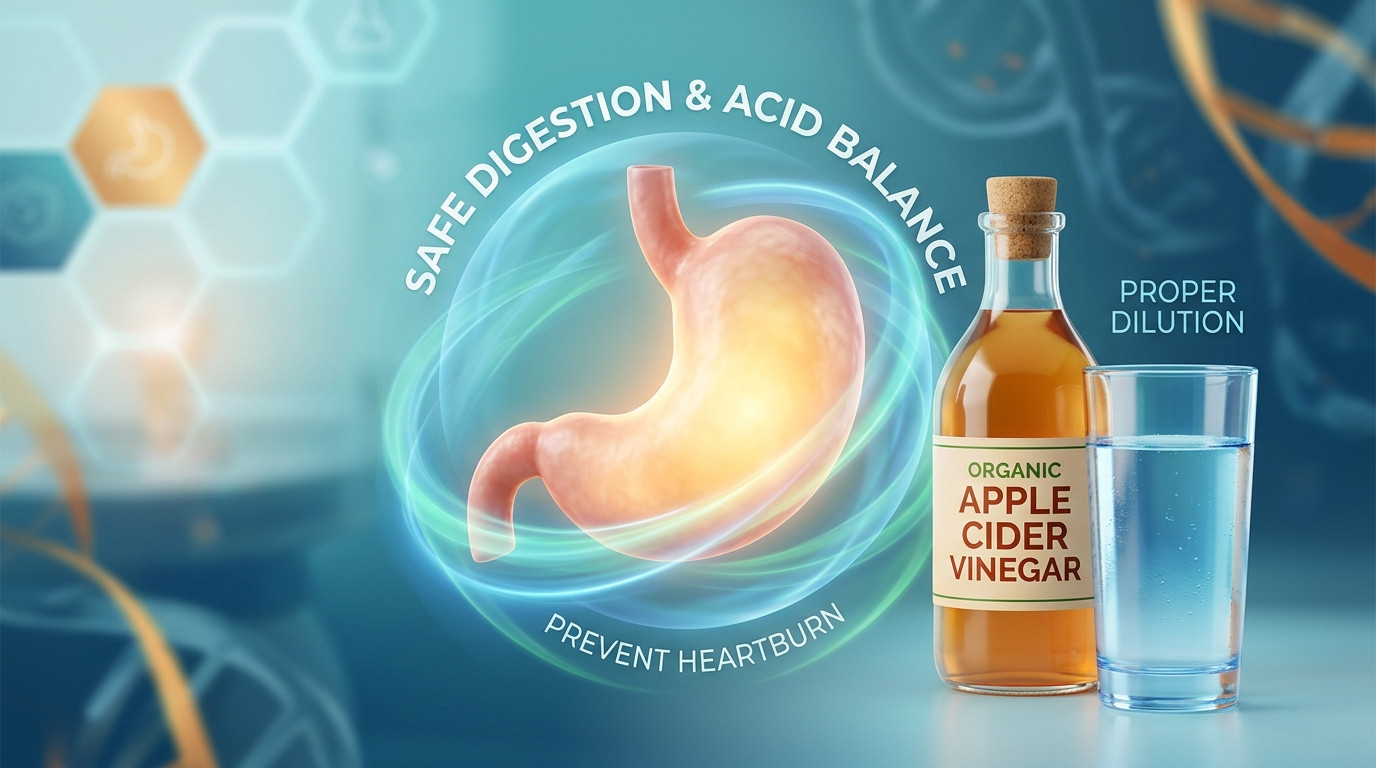
The most important step is dilution. Never consume it undiluted. If you are a beginner, start with half a tablespoon (about 5ml) of ACV in a cup of water (about 250ml to 300ml). If your stomach tolerates it well, you can gradually increase the amount up to one tablespoon (15ml). Mixing it with lukewarm or cold water is best to prevent the destruction of acetic acid.
Second, Use a Straw to Minimize Tooth Contact and Rinse Your Mouth
When drinking diluted ACV, always use a straw so the liquid bypasses your teeth and goes straight down your throat. Immediately after finishing, rinse your mouth thoroughly with clean water three or four times to wash away any remaining acidic residue. A crucial warning here: do not brush your teeth immediately after drinking ACV. Brushing your teeth when the enamel is temporarily softened by acid accelerates erosion. You should wait at least 30 minutes before brushing.
Third, Time Your Intake Based on Your Stomach’s Condition
If you have a strong digestive system and your primary goal is blood sugar control, drinking it 20 minutes before a meal is most effective. However, if you have a weak stomach or frequently experience heartburn, consuming it on an empty stomach is an absolute no-go. Instead, try drinking it during meals like a side dish, or immediately after meals as a digestive aid. This is the smartest compromise to suppress blood sugar spikes while protecting your stomach.
How to Choose the Right ACV: 3 Key Standards for a Quality Product
Choosing just any apple cider vinegar from the supermarket is no different from drinking regular cooking vinegar, and you won't get the desired benefits. To choose high-quality ACV that truly aids your health, you must check for the following three things on the product label:
- 'With Mother' (Contains the Mother): The "Mother" is a colony of beneficial bacteria and enzymes naturally formed during fermentation. A product with a cloudy appearance and sediment at the bottom of the bottle is genuine, high-quality ACV containing live organic acids and enzymes.
- Organic, Raw, and Unfiltered: Make sure it is made from whole, organic apples grown without chemical fertilizers, fermented with their skins on. Additionally, products that have been filtered clear or pasteurized at high temperatures lose all their beneficial bacteria, so you must choose raw, unfiltered products.
- Zero Synthetic Additives and Artificial Flavors: Check the ingredient list carefully to ensure it is 100% pure fermented apple vinegar, free of synthetic flavorings to mimic apple taste, high-fructose corn syrup, or added sugars.
Key Summary: Remember these to protect your stomach and teeth!
- ACV is highly acidic (pH below 3.0), so it must be diluted with water at a ratio of at least 1:20.
- To protect your teeth, always use a straw, rinse your mouth with water afterward, and wait 30 minutes before brushing.
- If you have a weak stomach, avoid taking it on an empty stomach; it is safer to consume during or immediately after meals.
- When choosing a product, select organic, raw, unfiltered ACV containing the "Mother" (indicated by sediment at the bottom).
Tags: #how to drink ACV #apple cider vinegar benefits #apple cider vinegar side effects #vinegar diet #how to take ACV #drinking ACV daily #ACV stomach pain #ACV tooth damage #ACV empty stomach #ACV daily dosage




Comments
Post a Comment